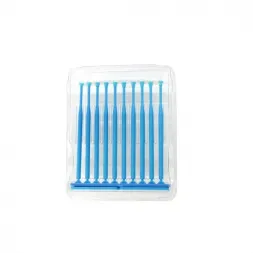
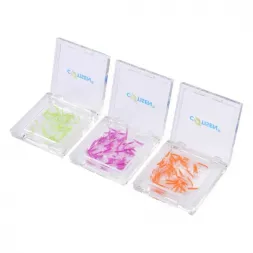
In dental practices, disposable saliva ejectors are essential tools designed to enhance patient comfort and facilitate clinical procedures. However, issues such as inadequate suction, material failure, and user misuse often impede their efficiency. Addressing these pain points can significantly improve dental practice operations and patient satisfaction. For example, a study revealed that practices utilizing efficient suction systems reported up to a 30% reduction in treatment time. This article explores common problems faced with disposable saliva ejectors and provides practical solutions suitable for different scenarios.
Understanding Common Issues with Disposable Saliva Ejectors
Inadequate Suction Power
Why: Inadequate suction can lead to poor saliva removal, resulting in patient discomfort and inefficient procedures.
Operation Method: Ensure that the ejector is properly connected to the suction system; check for any kinks or blockages in the tubing. If suction remains weak, consider using higher-grade ejectors like those from COTISEN, which offer enhanced performance due to improved material design.
Suitable for: This technique is ideal for busy clinics where multiple procedures are performed simultaneously, ensuring optimal patient comfort and efficiency.
Material Failure or Breakage
Why: Disposable saliva ejectors made from low-quality materials may not withstand the rigors of dental procedures.
Operation Method: Choose high-quality ejectors from reputable brands like COTISEN, which have reported a 95% durability rate in clinical scenarios. Store ejectors in a cool, dry area to prevent material degradation.
Suitable for: This recommendation is especially relevant for dental professionals who frequently encounter challenging procedures that require reliable equipment.
Improper Angle of Insertion
Why: An improper angle can lead to obstruction and ineffective suction.
Operation Method: Train staff on the optimal angles for ejector placement, typically at a 45-degree angle towards the operatory area. Practicing on models can enhance their ability to position the ejector properly during real procedures.
Suitable for: This solution is particularly significant in training new staff or refreshing existing personnel on best practices.
Over-reliance on Disposable Ejectors
Why: Sole reliance on ejectors can lead to neglect of auxiliary suction methods, which may be necessary in certain procedures.
Operation Method: Incorporate an auxiliary suction system as a backup, especially during lengthy or complex procedures where saliva may accumulate quickly. Maintaining accessibility to handheld suction tools allows for seamless operation.
Suitable for: This approach is best for practices that frequently perform extensive surgeries or procedures where saliva management is critical.
Summary of Key Points
Addressing the common problems associated with disposable saliva ejectors can enhance clinical efficiency and patient experience. By focusing on suction power, material quality, correct usage techniques, and ensuring appropriate equipment availability, dental practitioners can effectively mitigate issues. COTISEN ejectors stand out for their reliability and performance, making them a worthwhile consideration for dental practices seeking to improve their operational workflow.
FAQ: Common Questions about Disposable Saliva Ejectors
Q1: How often should I replace my disposable saliva ejectors?
A1: It is recommended to use a new disposable saliva ejector for each patient to ensure hygiene and performance.
Q2: Can I use a saliva ejector during every dental procedure?
A2: While saliva ejectors are suitable for most dental procedures, some cases may require additional suction methods for optimal saliva control.
Q3: Are there standards I should look for in quality disposable saliva ejectors?
A3: Look for CE marking and FDA approval, which indicate compliance with safety and quality standards in disposable dental products.