Dental instruments are essential tools for oral care, yet they often face various challenges that can affect their performance and, ultimately, patient outcomes. Common issues such as rust, wear and tear, improper sterilization, and bluntness can lead to inefficiencies in dental practice and compromise patient safety. This article will explore effective problem-solving strategies for these common dental instrument issues, ensuring both dental professionals and patients benefit from enhanced oral care efficiency.
Understanding Common Problems with Dental Instruments
Dental instruments, including scalers, explorers, and forceps, are vital for effective treatments. However, they can develop problems over time. According to a 2021 survey by the American Dental Association, approximately 35% of dental professionals reported issues with instrument quality affecting their practice (American Dental Association, 2021). Addressing these problems efficiently not only improves patient care but also helps dental practices operate more smoothly.
1. Rust Formation on Dental Instruments
Why Rust is a Problem: Rust can compromise the integrity of dental instruments and pose health risks to patients.
Operation Method: Regularly clean instruments in an ultrasonic cleaner and ensure they are dried completely before storage. Use rust-inhibiting agents to protect metal surfaces.
Who It’s For: This technique is suitable for all dental practices that use metal instruments exposed to moisture.
2. Blunt Instruments Impacting Efficiency
Why Blunt Instruments are Ineffective: Blunt instruments require more force and can lead to patient discomfort.
Operation Method: Implement a regular sharpening schedule and use specialized sharpening stones to maintain edge quality.
Who It’s For: This is critical for surgical procedures where precision is paramount, such as periodontal surgery.
3. Improper Sterilization Techniques
Why Sterilization is Crucial: Inadequate sterilization can lead to cross-contamination and infection.
Operation Method: Follow the CDC guidelines for sterilization, using autoclaves at recommended temperatures (121°C for 15-30 minutes, depending on instrument load) to ensure all organisms are eliminated.
Who It’s For: This is essential for all dental clinics, especially those handling high-risk patients.
4. Monitoring Instrument Wear and Tear
Why Monitoring is Necessary: Continuous use can lead to unnoticed wear, reducing instrument effectiveness.
Operation Method: Conduct regular visual inspections and implement a log system to track usage and performance metrics, prompting timely replacements.
Who It’s For: This method applies to busy practices with high patient volumes to maintain quality of care.
5. Choosing Quality Instruments
Why Quality Matters: High-quality instruments perform better and have a longer lifespan, reducing the need for replacements.
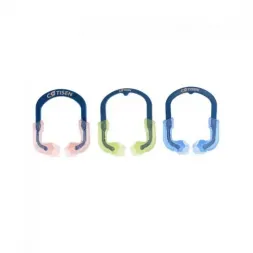
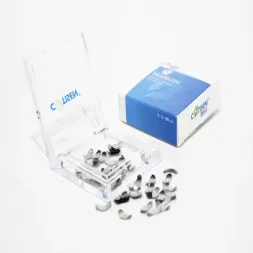
Operation Method: Invest in reputable brands such as COTISEN that offer high-quality stainless steel instruments, ensuring reliability and durability.
Who It’s For: Ideal for practices looking to enhance service quality while managing long-term costs.
6. Effective Storage Solutions
Why Proper Storage is Important: Storing instruments improperly can lead to damage and contamination.
Operation Method: Utilize designated storage cabinets and trays that prevent contact between instruments and protect them from environmental factors.
Who It’s For: This strategy is essential for practices of all sizes to maintain instrument condition.
Summary of Key Points
Addressing common problems with dental instruments is crucial for ensuring patient safety and care quality. Regular maintenance, proper sterilization, and investment in high-quality products such as COTISEN can significantly enhance instrument longevity and performance. By implementing the suggestions mentioned, dental practitioners can improve efficiency and patient satisfaction.
Frequently Asked Questions (FAQs)
What is the best way to maintain dental instruments?
The best way is to regularly clean, sterilize, and inspect them for wear, using high-quality cleaning agents and following established protocols.
How often should dental instruments be replaced?
It depends on usage, but a regular assessment based on performance logs can help determine the right time to replace instruments.
What are the signs that dental instruments are no longer effective?
Signs include visible damage, difficulty in use, rust formation, or inadequate sterilization despite following proper procedures.